PTSD & complex PTSD
Intrusive memories, flashbacks, nightmares, hypervigilance and emotional numbing — the full spectrum of post-traumatic stress, including complex PTSD from repeated or developmental trauma.
EMDR-informed trauma support in Derby for PTSD, intrusive memories, flashbacks and complex trauma. BACP-registered therapist with lived military experience. Stabilisation-first — always. In-person at our Derby clinic or online across the UK.
BACP-registered · Ex-military background · In-person Derby DE1 · Online UK · Confidential




"A transformative experience… helped me navigate a very dark period."
— Jamie Pilley, Google review
See all Google reviewsSome experiences do not process the way ordinary memories do. A traumatic event — a road accident, abuse, military combat, a sudden bereavement, a medical emergency — can become lodged in the nervous system in a way that keeps it feeling present, not past. Talking about it can help, but often it is not enough on its own.
EMDR (Eye Movement Desensitisation and Reprocessing) was developed specifically for this. It uses bilateral stimulation — typically guided eye movements — to help the brain complete the processing it could not finish at the time of the event. The memory does not disappear, but it stops being a live threat. It becomes something that happened, rather than something that is still happening.
At AIP Therapy in Derby, EMDR is integrated with psychotherapy and stabilisation work. James does not rush into trauma processing. The first phase of any trauma work is always about building the internal resources and stability needed to process safely — this is non-negotiable.
Intrusive memories, flashbacks, nightmares, hypervigilance and emotional numbing — the full spectrum of post-traumatic stress, including complex PTSD from repeated or developmental trauma.
PTSD is extremely common among veterans, ex-forces personnel, police, paramedics and fire service workers — often undiagnosed and carried alone for years. James served in the military himself and brings lived understanding of the pressures, identity shifts, operational exposure and hypervigilance that come with service and the transition to civilian life. This is not just clinical knowledge — it is personal experience.
Road traffic accidents, workplace injuries, medical trauma and surgical experiences that have left a lasting impact on how you feel day to day.
Adverse childhood experiences, neglect, emotional abuse and the long-term patterns they create — including difficulties with trust, relationships, self-worth and emotional regulation.
Traumatic or sudden loss that has left grief stuck — unable to move through naturally. EMDR can help process the traumatic element so that grief can proceed.
When anxiety, panic or avoidance is being driven by specific past experiences rather than general stress — EMDR addresses the root rather than just the symptom.
Phobias that began with a specific frightening event — a dog attack, a near-drowning, a medical procedure — often respond well to EMDR-based processing.
Deeply held negative beliefs about yourself — "I am not safe," "I am worthless," "It was my fault" — that were formed in response to traumatic experiences and continue to drive current behaviour.
James Harris served in the military before a head injury brought his career to an unexpected close. He has navigated the identity loss, the hypervigilance, the difficulty switching off, and the challenge of asking for help — from the inside.
That experience is not incidental to his work. It shapes how he sits with clients who have been through high-pressure environments, operational trauma, or the disorientation of transition. He does not need it explained. He understands the culture, the resistance to vulnerability, and the specific ways trauma presents in people who have been trained to push through.
This is not a selling point. It is simply what it is — and for some clients, it matters.
Read James' full story
EMDR is not a quick fix and it is not rushed. The process at AIP Therapy follows the standard eight-phase EMDR protocol, adapted to your specific history and capacity.
A thorough exploration of your history, current symptoms and goals. James will assess suitability for EMDR and explain exactly what the process involves before anything begins.
Before any trauma processing begins, you will build a toolkit of stabilisation skills — grounding techniques, containment strategies and internal resources. This phase is non-negotiable and takes as long as it needs to.
Working through target memories using bilateral stimulation, installing positive cognitions, and ensuring the changes are integrated and stable. Each session ends with a closing protocol to ensure you leave feeling grounded.
EMDR at AIP Therapy is suitable for adults who are carrying the weight of past experiences that are still affecting their present. You do not need a formal PTSD diagnosis. If something happened and it is still with you — in your body, your reactions, your sleep, your relationships — that is enough.
James works with:
If you are unsure whether EMDR is right for your situation, the free 15-minute intro call is the right place to start. There is no obligation and no pressure.
Book a free intro call★★★★★"A transformative experience… helped me navigate a very dark period. I cannot recommend James highly enough."
— Jamie Pilley
★★★★★"I decided to seek structured support and expertise… highly recommend James."
— Danny Abdy
★★★★★"Empathetic, professional, and truly supportive. I felt listened to without judgment."
— Graeme Tong
★★★★★"Working with James has been incredibly helpful for my anxiety. He creates a calm, supportive environment."
— Liam Kendall
★★★★★"CBT and mindfulness sessions helped me overcome past trauma patterns."
— David Flint
★★★★★"I started therapy for anxiety and stress management… positive from the first session."
— Garry Forman
Sessions take place at Room 6, 72 Wilson Street, Derby DE1 1PL — a private, calm space in Derby city centre. Online sessions are available across the UK.
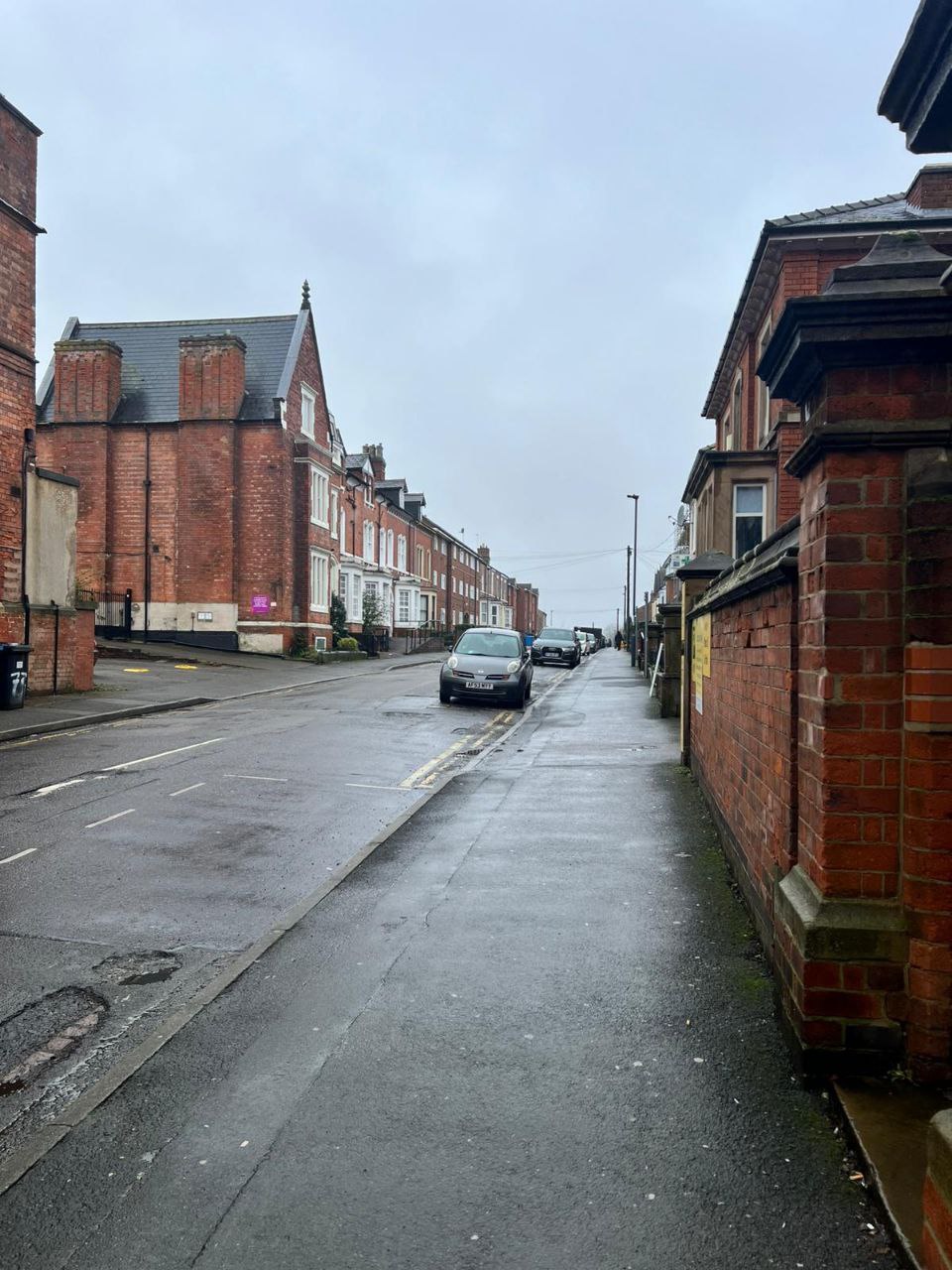
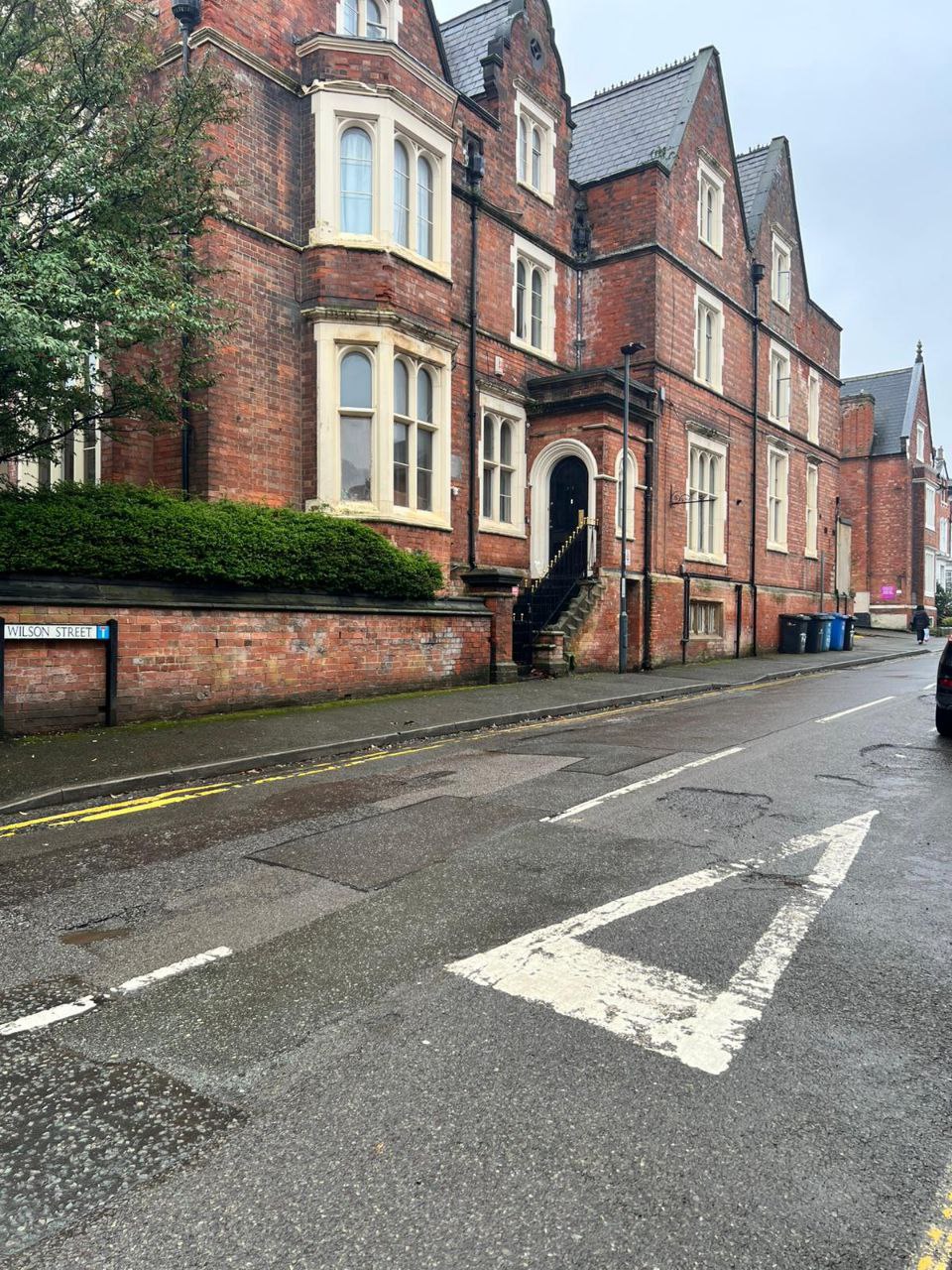
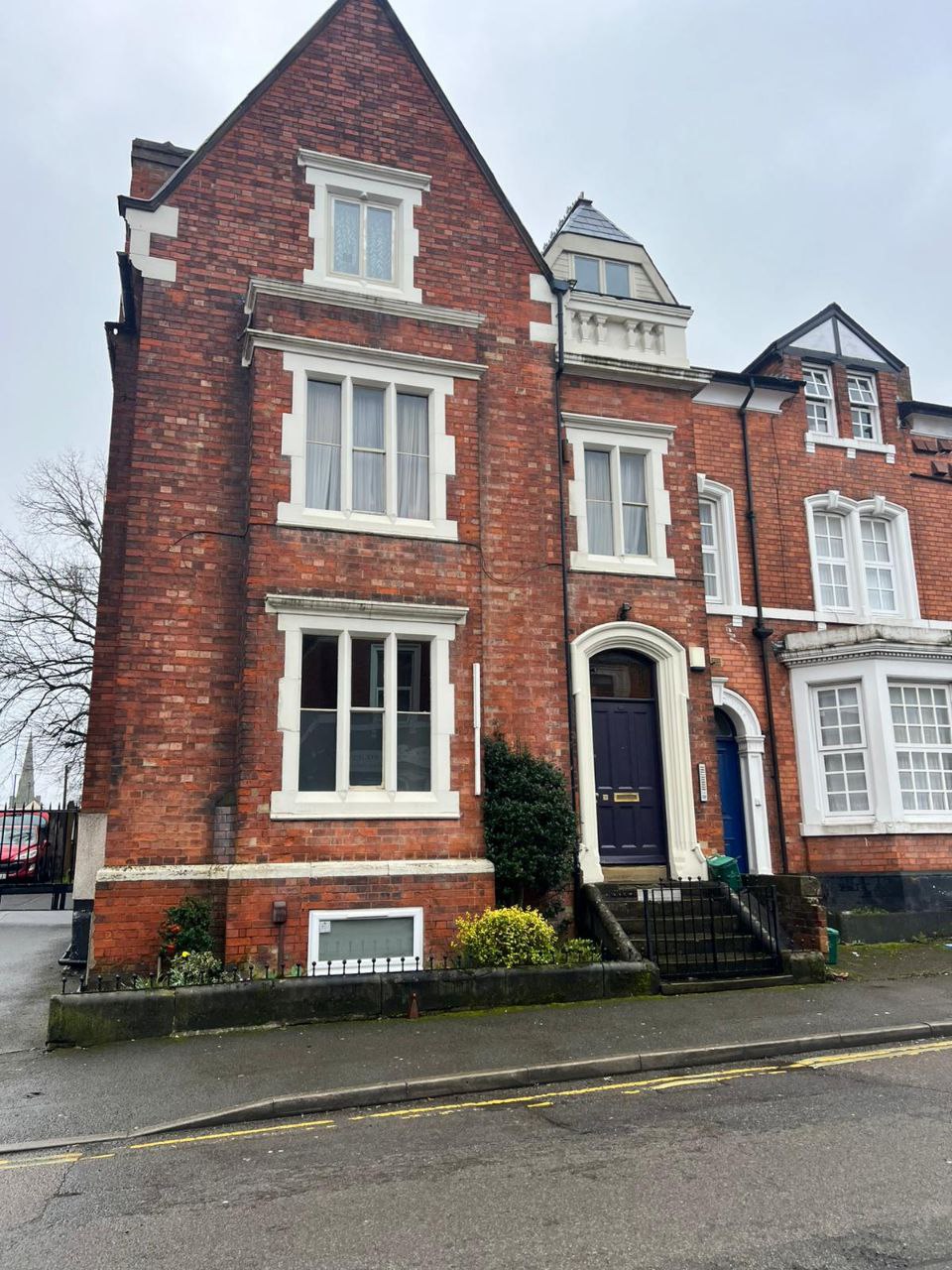

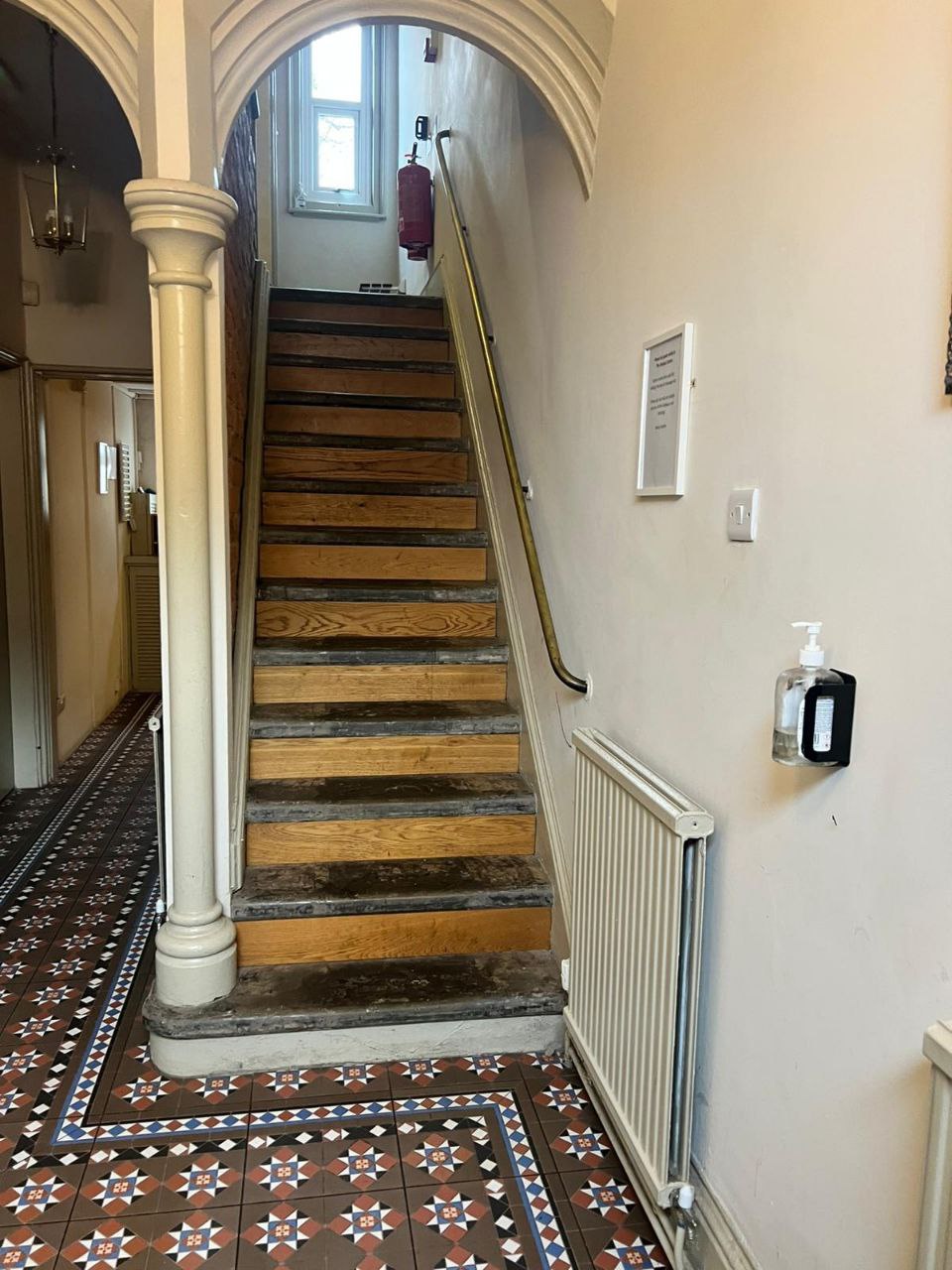
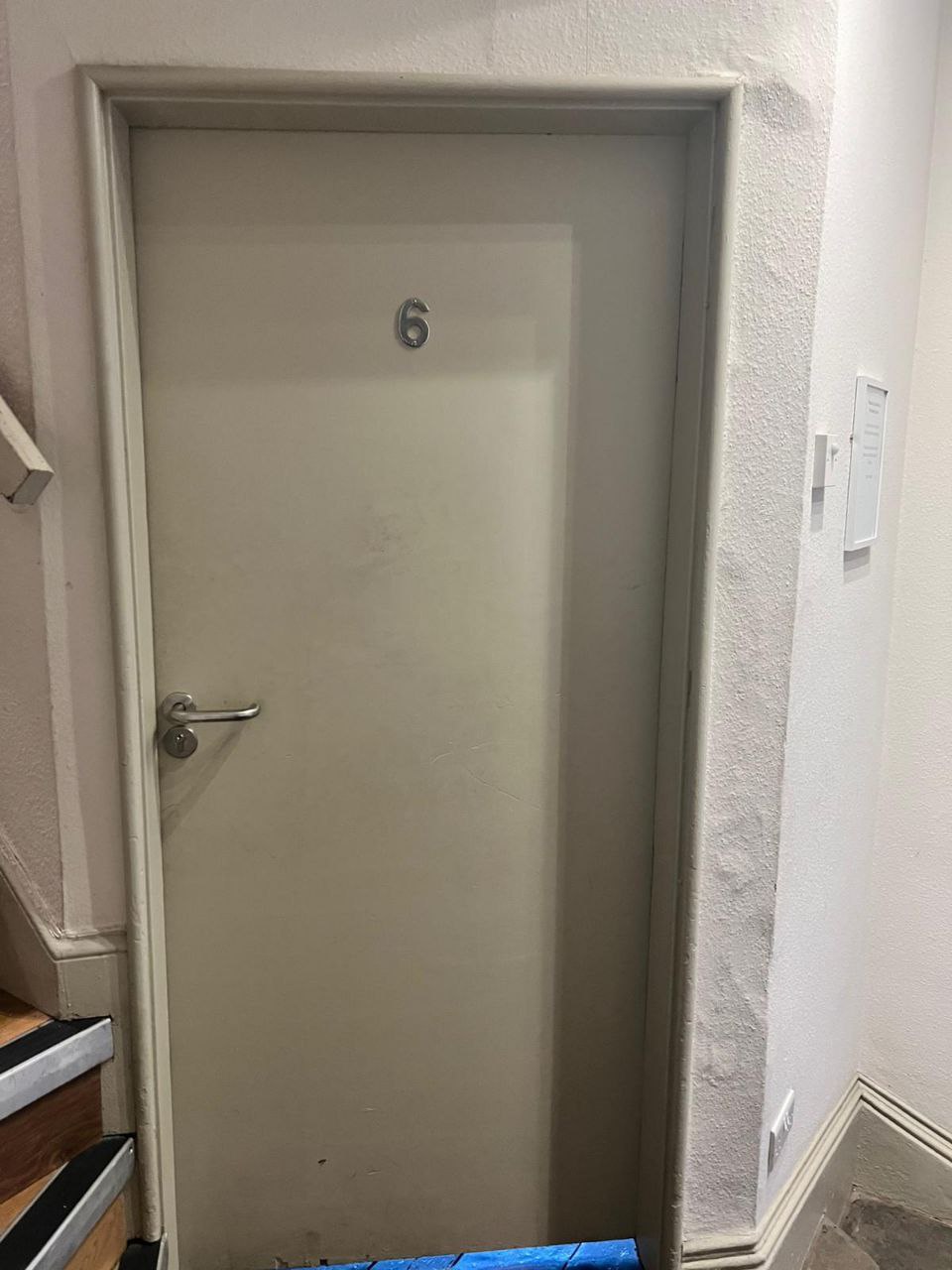
If you're unsure on arrival, call or message and we'll guide you in.
EMDR (Eye Movement Desensitisation and Reprocessing) is a structured, evidence-based therapy that helps the brain process distressing memories that have become stuck — particularly trauma and PTSD. It uses bilateral stimulation to help integrate difficult experiences so they no longer cause active distress.
Yes. EMDR-informed trauma support is available in-person at Room 6, 72 Wilson Street, Derby DE1 1PL, and online across the UK with James Harris at AIP Therapy.
EMDR is primarily used for PTSD, complex trauma, intrusive memories, flashbacks, nightmares, anxiety rooted in past events, and trauma from accidents, abuse, military service, bereavement or adverse childhood experiences.
Sessions are currently offered at £67 (normally £110) for a limited period. Fees are confirmed before booking.
Yes, when delivered by a trained practitioner using a stabilisation-first approach. James does not rush into trauma processing — stabilisation and resourcing always comes first.
Yes. James has a military background himself and brings lived understanding of service, operational trauma and the transition to civilian life. This is personal experience, not just clinical knowledge.
It varies. Single-incident trauma may resolve in 6–12 sessions. Complex or developmental trauma typically requires longer-term work. This is discussed openly at the outset.
Yes. Online EMDR is well-established and effective. Bilateral stimulation is adapted for video sessions and the process is equally structured and safe.
Yes. All sessions are fully confidential in line with BACP ethical standards, with standard safeguarding exceptions explained clearly at the outset.
Contact us via the website, phone or WhatsApp to arrange a free 15-minute intro call. We will check suitability, answer any questions and confirm availability before you commit.
Dedicated trauma support — including PTSD, complex PTSD and trauma-related anxiety — with a stabilisation-first approach.
Integrative one-to-one psychotherapy for anxiety, trauma, stress and low mood in Derby city centre.
Targeted support for anxiety, panic attacks and chronic worry — addressing both the symptoms and the underlying patterns.
Clinical hypnotherapy integrated with psychotherapy for anxiety, sleep, habits, confidence and trauma support.
Specialist support for adults with ADHD — diagnosed or suspected — including late diagnosis, emotional regulation and executive function.
All services available online across the UK via secure video call — equally effective for most presentations.
In-person EMDR therapy sessions are available at Room 6, 72 Wilson Street, Derby DE1 1PL — a private, calm clinic in Derby city centre, close to the Cathedral Quarter and easily accessible from across the city.
James works with clients from across Derby and Derbyshire, including Allestree, Mickleover, Littleover, Chaddesden, Spondon, Oakwood, Borrowash, Belper, Duffield, Ilkeston and surrounding areas.
Online EMDR therapy is available across the UK. If you are outside Derby or prefer to work from home, online sessions are equally structured, safe and effective.
Get directions on Google Maps